
Social Work Programs offered at University of South Florida
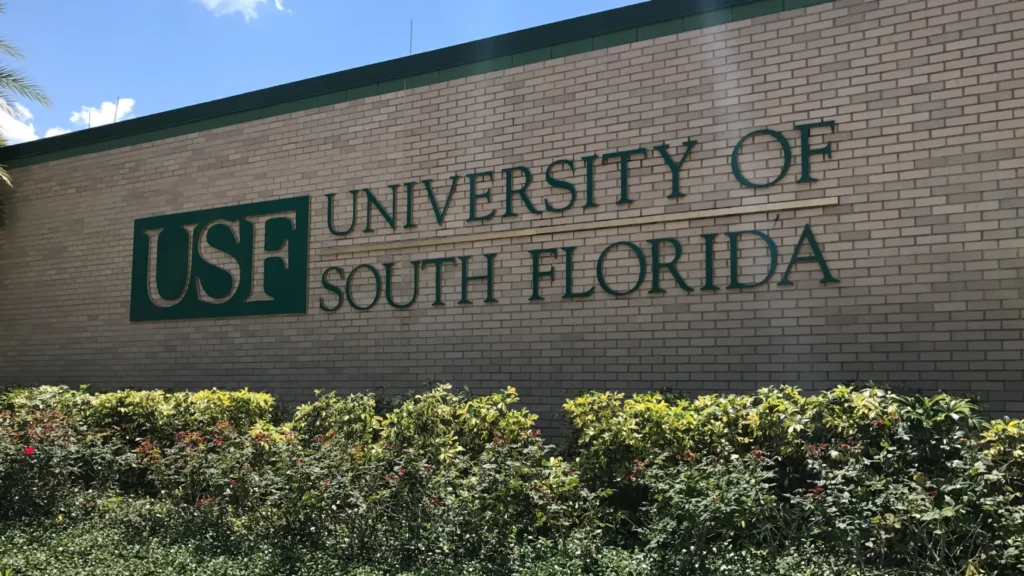
The University of South Florida School of Social Work has been the foundation of social work education since it first welcomed students in 1976. The school has built a strong reputation that prepares students for careers as practitioners, administrators, and scholars in the social work field worldwide.
USF School of Social Work’s mission is clear – to prepare graduates who excel as professionals and leaders in social work practice, research, and education. We focused on developing generalist social workers at the bachelor’s level, clinical social workers at the master’s level, and social work scholars at the doctoral level. Students learn to embrace social work knowledge, ethics, skills, and values throughout their educational experience.
The school’s dedication goes beyond classroom walls. USF graduates students from their diverse region to national and global levels. These graduates reflect the school’s dedication to promoting social and economic justice, human rights, human dignity, scientific inquiry, and sustainable human and community well-being for all.
The Bachelor of Social Work (BSW) and Master of Social Work (MSW) programs have earned full accreditation from the Council on Social Work Education, the national accrediting body for social work education programs. This recognition confirms USF’s educational quality and rigor.
USF School of Social Work’s faculty brings outstanding credentials to their teaching roles. They participate in teaching, research, service, and social work practice while sharing their passion and knowledge in the classroom. Faculty teaching online courses have mastered specialized skills to deliver innovative and engaging virtual learning. Many serve as principal investigators on grants that affect individuals, families, and communities from local to international levels.
The school bases its educational philosophy on theoretical frameworks that guide practice. USF’s social work curricula’s unifying themes come from explanatory theories (such as ecosystems theory) and change theories (including psychodynamic and cognitive behavioral theories). These theories work through strengthening, capacity-building viewpoints of social work practice.
Evidence-based practice serves as another foundation at USF. Students learn to use current best practices wisely when making decisions about interventions at all system levels. This approach combines relevant scientific information with professional judgment and respects service consumers’ priorities and cultural backgrounds for effective, ethical practice.
The school has shown its dedication to strengthening connections between Tampa, Sarasota-Manatee, and online programs. This ensures consistency and collaboration across all cohorts. Students benefit from this unified approach whatever campus or learning mode they choose.
Nearly 4,000 alumni now lead social service agencies throughout the country. The school maintains strong ties with various social work practice settings. Current students get excellent field education opportunities while USF-trained social workers expand their influence across the profession.
The curriculum’s ecosystems theory reflects social work’s value of improving human system functioning. It takes a complete view of biological, psychological, emotional, cultural, and social environments. The program’s strengths viewpoint sees human differences as normal and acceptable, rather than judging personal traits, race, ethnicity, culture, class, gender, sexual orientation, religion, physical or mental ability, age, national origin, or social and emotional functioning levels.
Three key viewpoints shape USF’s educational approach:
- Empowerment perspective: Supports resourcefulness and skill development to remove social barriers for individuals, groups, and communities
- Capacity building perspective: Reinforces social work’s mandate to serve society’s most vulnerable, improve society’s caring capacity, end discriminatory practices, and develop resources for those in need
- Strengths perspective: Emphasizes viewing human differences as normal and acceptable rather than judging personal characteristics or backgrounds
The school values its faculty and strong staff who provide significant support for the mission—from student advising to daily operational support for students and faculty. This complete support system helps students get the guidance they need throughout their educational experience.
USF School of Social Work welcomes prospective students to explore their webpages. They can learn more about the students, alumni, faculty, staff, community partners, and programs that work together to strengthen and educate those they serve. The school continues to grow while staying dedicated to encouraging a learning environment that prioritizes cultural humility, evidence-based practice, and balances support with challenge for all students.
Where is University of South Florida located
The University of South Florida (USF) has three unique campuses spread across Florida’s west coast in Tampa Bay. These locations create an energetic learning environment for students in social work and other programs.
The three campuses occupy more than 1,600 acres with buildings spanning nearly 12 million square feet. Students experience different settings from city life to coastal views that make learning and campus life interesting.
USF’s main hub sits at 4202 E. Fowler Avenue, Tampa, FL 33620. The campus grew from just three buildings under the university’s first president, John Stuart Allen. Now it spans more than 1,500 acres with 240 buildings. The Tampa location has earned recognition as a “Preeminent State Research University” and ranks among the top public research universities nationwide.
The Tampa campus blends city convenience with natural beauty. A 735-acre forest preserve and riverfront recreation area borders the campus, which stays easily reachable from downtown Tampa. Social work students benefit from both city resources and peaceful natural spaces perfect for studying.
The St. Petersburg campus opened in 1965 on the former U.S. Navy Maritime Training Center site. Known first as the ‘Bay Campus,’ it now stands at 140 7th Avenue South, St. Petersburg, FL 33701. Students here enjoy a waterfront setting in a bustling city center, close to world-class cultural venues.
The Sarasota-Manatee campus completes USF’s trio at 8350 N. Tamiami Trail, Sarasota, FL 34243. Since 1975, this location has given students access to famous beaches, respected organizations, outdoor activities, nightlife, and premier arts venues – all just minutes away.
USF’s growth shows its dedication to reaching more students. The first class started in 1960, and since then, each campus has developed its own identity while staying true to USF’s mission and culture.
Since 1956, USF has become Florida’s fourth largest university by enrollment. The university teaches nearly 50,000 students from almost 70 countries across its branches. Some sources say USF serves over 50,000 students through more than 200 degree programs at all levels.
Social work students find many advantages in the multi-campus setup. They can pick a learning environment that fits their needs. USF works hard to connect its Tampa, Sarasota-Manatee, and online programs so all students get consistent quality education.
Different locations create better field education chances – vital for social work training. Students work with various communities across Tampa Bay and learn from real-life experiences that deepen their understanding of social work.
The campuses look very different today. Fowler Avenue near the Tampa campus has changed dramatically since 1960. Yet each location keeps what USF calls its “unique and unmistakable energy” that motivates its diverse students.
The Tampa campus is known for its eco-friendly practices. This matches social work’s values of environmental justice and building sustainable communities.
Students interested in USF’s social work programs can choose what works best for them. The main Tampa campus offers extensive resources, St. Petersburg provides a waterfront setting, and Sarasota-Manatee surrounds students with culture.
From city centers to waterfronts, students experience Tampa, St. Petersburg, and Sarasota-Manatee’s distinct characters. They share USF’s mission while each location helps serve students across the region.
The University of South Florida has a complete range of social work education options from undergraduate to doctoral levels. Each program helps students achieve different career goals through various delivery methods and specializations.
USF’s School of Social Work has several fully accredited programs that prepare students to become professional practitioners. Students learn to serve people from all backgrounds and tackle complex social challenges.
Bachelor of Social Work (BSW)
The BSW program serves as the starting point for social work education at USF and prepares students to become social work generalists. This program is fully accredited by the Council on Social Work Education and meets national quality standards. Students need to complete 41 credit hours in four semesters through a full-time, lock-step structured format.
Students in the BSW program can choose between two distinct learning modalities:
- The in-person cohort based at the Tampa campus requires on-campus attendance three days per week
- The online cohort through the Sarasota-Manatee campus combines synchronous and asynchronous coursework with live virtual sessions typically two days weekly
Both options have a substantial 460-hour in-person field placement during the final semester that gives hands-on professional experience.
Students interested in child welfare careers can take a special Child Welfare Certification Pathway. This option comes with a paid field placement at community-based care organizations in Hillsborough, Pinellas, Sarasota-Manatee, or Pasco Counties. Students complete a Child Maltreatment course and take the Case Management Certification exam through the Florida Certification Board. Many graduates move into full-time case management positions after graduation.
Master of Social Work (MSW)
USF’s master’s level programs prepare graduates to excel in advanced clinical practice with individuals, families, and groups. The MSW program creates practitioners who follow professional standards, values, and ethics while showing respect for human beings and dedication to growth and change.
The in-person MSW program offers several flexible pathways:
- Full-Time Non-Advanced Standing (60 credits, 900 field hours)
- Available at both Tampa and Sarasota-Manatee campuses
- Takes four semesters (Fall, Spring, Fall, Spring)
- Students can take electives during summer
- Full-Time Advanced Standing (35 credits, 600 field hours)
- Needs a BSW degree for admission
- Available at both Tampa and Sarasota-Manatee campuses
- Two timeline options:
- Three non-consecutive semesters (Spring, optional Summer, Fall, Spring)
- Three consecutive semesters (Summer, Fall, Spring)
- Part-Time Non-Advanced Standing (60 credits, 900 field hours)
- Available at both Tampa and Sarasota-Manatee campuses
- Takes eight consecutive semesters including summers
- Part-Time Advanced Standing (35 credits, 600 field hours)
- Needs a BSW degree for admission
- Available at both Tampa and Sarasota-Manatee campuses
- Takes five consecutive semesters
Students can access the online MSW program in all 50 states, including the District of Columbia. This program follows similar structures to the in-person options:
- Traditional Online MSW: Students without prior social work education can complete this program in eight semesters part-time or five semesters full-time
- Advanced Standing Online MSW: CSWE-accredited BSW graduates can complete 35 credit hours in three semesters full-time or five semesters part-time
Ph.D. in Social Work
USF’s full-time interdisciplinary doctoral program gives students the tools to pursue academic and research careers. Graduates become leaders in research, education, and program development for diverse and underserved populations.
The doctoral program focuses on five key areas that match the College’s strengths, USF’s expertise, and future trends in the profession:
- Societal Change and Innovation
- Global Issues
- Health
- Behavioral Health
- Leadership and Business
These areas help future scholars and educators advance social justice and address vulnerability issues.
Certificate Programs
USF also offers several graduate certificates that help students develop specialized knowledge:
- Addictions and Substance Abuse Counseling (fully online)
- Child Advocacy Studies
- Children’s Mental Health (fully online)
- Marriage & Family Therapy
- Social Work Therapeutic Modalities (fully online)
These certificates are a great way to get targeted education without completing a full degree program.
Concurrent Degree Options
Students seeking interdisciplinary education can combine Public Health and Social Work (M.P.H./M.S.W.). This approach helps students develop expertise across related fields.
The job market looks promising. The U.S. Bureau of Labor Statistics projects 9 percent growth for social work jobs nationally between 2021 and 2031. USF’s strong reputation—ranked #42 among Top Public Universities nationwide—helps graduates find good positions.
USF’s social work programs maintain high standards in professional values, ethical practice, and evidence-based approaches. Students learn about human behavior in various contexts, sociocultural environments, social welfare systems, policy development, and research skills—essential elements for effective social work practice.
Field education at USF
Professional social work training at the University of South Florida centers on field education. Students get hands-on experience that connects classroom theory with ground practice. Field placements help students put their knowledge to work, build skills, and embrace professional values under proper supervision.
USF’s School of Social Work has built strong ties with hundreds of agencies and programs that serve children and families across Tampa Bay and beyond. The school works with over a thousand field instructors in human services agencies. This creates a strong network of learning opportunities for students at every program level.
BSW students complete their field education in their final semester. They must finish 460 clock hours—about 32 hours each week for 15 weeks. Students spend one day in class and dedicate the rest of their time at placement sites. This setup creates an immersive learning environment. BSW students also join a professional seminar that blends classroom learning with field work. Students write an integrative paper that shows how they connect curriculum concepts with their practical experiences.
MSW students need to complete more field hours because of their advanced graduate-level training. Traditional (non-advanced standing) MSW students must log minimum of 900 total hours in field placement. Advanced standing students need 600 total hours. Full-time students usually spend 20 hours weekly in field for three semesters. Part-time students complete 10-15 hours weekly over five semesters.
Field education plays a crucial role in shaping social work students’ professional growth at USF. The school sees field placement as “an integral component of the curriculum in social work education.” It puts students in supervised social work practice, helps them understand themselves better during interventions, and lets them apply classroom learning. Students learn professional values and ethics while helping people improve their lives.
USF uses a single placement model for both BSW and MSW students, unlike other schools that use multiple placements. Students stay with one agency throughout their field placement. Many placement agencies offer various services, and students might work across different programs within the same organization if resources allow.
USF carefully picks and trains field instructors who supervise students at placement sites. BSW student supervisors must have a BSW degree from a CSWE-accredited program. MSW student supervisors need an MSW from an accredited program. Other requirements include:
- At least two years of post-degree experience
- Minimum one year employment at a USF-affiliated agency
- Showed adherence to the NASW Code of Ethics
- Current resume submitted to the Director of Field Education
Field instructors act as mentors, guides, and evaluators during student placements. USF’s Field Coordinators and Director of Field Education support these professionals. This ensures students get consistent educational experiences across different sites.
MSW students in “clinical placement” provide direct services to individuals, families, and groups. They focus on improving clients’ bio-psychosocial-spiritual functioning through culturally competent, strengths-based practice. They use person-in-environment frameworks to assess, diagnose, and treat client concerns.
USF uses the Tevera Field Placement Tracking System for both students and field instructors. This system helps track hours, manage evaluations, and keep communication open between everyone involved.
The Tampa Bay Ten County Regional area offers numerous agency options for student placements. Students can experience working in urban, suburban, and rural settings with different populations and social issues.
Students get regular supervision that matches university requirements and field education plans. This guidance helps them process experiences, identify what they need to learn, and grow professionally.
USF believes field placements give students a chance to “stretch beyond what you already know, take risks in developing your professional sense and style, and most importantly, learn”. The university knows this growth process might feel uncomfortable as students learn to handle new environments and responsibilities.
The School of Social Work values its community-based partners who create field education opportunities. These partnerships help prepare future social workers and strengthen the bonds between academic learning and professional practice communities. This benefits both students and the people they will serve.
What sets University of South Florida apart?
The University of South Florida School of Social Work stands out from its peers in several ways. The program jumped 11 spots to 83rd place from 94th in the U.S. News & World Report rankings, which shows its growing excellence in social work education.
State-of-the-art research is the substance of USF’s excellence in social work education. The School has specialized research centers that tackle critical social challenges. The Social Work Interdisciplinary Research Lab, a 4-year old center, addresses gender-based violence against women and children in underserved areas. The USF Social Work ACCESS Lab works to implement evidence-based, low-intensity psychological treatments for depression and anxiety where mental health services are scarce.
The College of Behavioral and Community Sciences, home to the School of Social Work, secured 168 awards worth $35 million in 2023. This strong funding helps faculty and students study pressing issues like addictions, crime, human trafficking, and child welfare.
USF gives students unique research opportunities that are rare in other programs. Students can earn a specialized research certificate that helps them develop their research skills. The university also offers competitive Undergraduate Research Assistantships to students who work with faculty mentors, and students in the certificate program get priority. “The Moms Project” offers special scholarships to study how substance abuse affects families, nutrition and well-being, and positive aging.
Students can choose from many flexible program options. USF offers programs in all 50 states and the District of Columbia through:
- In-person options at both Tampa and Sarasota-Manatee campuses
- Fully online programs with synchronous and asynchronous components
- Full-time and part-time scheduling options
- Advanced standing tracks for BSW degree holders
The program’s global focus makes it unique. The BSW program’s Global Pathway certification lines up with USF’s Quality Enhancement Plan. This shows the program’s dedication to building global awareness, responsibility, and student participation. These qualities go together perfectly with social work’s core values. Students can join study abroad programs in India, Spain, and Peru.
The School works hard to connect its Tampa, Sarasota-Manatee, and online programs. Students get the same high-quality education whatever their chosen campus or delivery format, while enjoying each location’s unique benefits.
The program’s connection with the Louis de la Parte Florida Mental Health Institute (FMHI), a prominent behavioral health research center turning 50 in 2024, gives students access to innovative behavioral health knowledge and treatments. This partnership helps prepare students for their careers.
USF’s social work programs accept new ideas in artificial intelligence while staying true to community-centered models. The university’s research connects science with practice, creating graduates who understand both theory and ground application.
Students looking for a program with national recognition, research excellence, global point of view, and creative solutions to social challenges will find USF’s School of Social Work an educational path that keeps gaining recognition for its quality and impact.
Next steps
The University of South Florida’s social work programs need a few simple steps to apply, and deadlines vary based on your program choice. Students should review application requirements and get their materials ready before deadlines approach.
The Online MSW program deadlines follow this schedule:
- Advanced Standing (Summer Entry): February 15
- Traditional (Fall Entry): June 1
- Traditional (Spring Entry): October 15
Students should submit applications early since programs fill up fast. The Online MSW Program has extended its Spring 2025 application deadline to November 1, giving candidates more time to apply.
The program length helps you plan better. Full-time MSW students complete the program in two years (4 semesters), while part-time students need eight consecutive semesters. Part-time students start their internships in the third semester. Full-time students begin in their second semester, and internships run alongside coursework.
USF follows the Council on Social Work Education standards that require 900 hours of field placement. A field placement coordinator talks with each student about their interests and location priorities. The university works with more than 300 agencies across seven counties, which gives students many practical experience options.
Students must upload all materials to the USF Graduate School Application by set deadlines. Faculty members might conduct personal interviews through Microsoft Teams to discuss qualification details.
Once accepted, BSW students should budget for these extra costs:
- Distance Learning Fee (online courses): $30.00 per credit hour
- Field Lab Fee for SOW4510C: $23.33 per credit hour
- Tevera field placement tracking software: $215.00 directly through Tevera or $286.00 through USF Bookstore
- Field placement background checks: Approximately $50.00-$100.00 if not covered by placement site
- Some placements may need vaccinations, immunization records, or medical testing
Students seeking financial help should complete the Free Application for Federal Student Aid (FAFSA). Early filing gives access to more funding since many programs have limited budgets. USF also offers automatic tuition deferments to qualified financial aid applicants.
MSW graduates work in many settings using their clinical skills with individuals, groups, couples, families, organizations, and communities. They find jobs in schools, hospitals, clinics, government agencies, social service organizations, residential facilities, and corrections.
Note that social work experience helps MSW program applicants but isn’t required. The admissions committee values equivalent experiences like supervised field practicum hours, extensive volunteer work, or other professional experience.
USF School of Social Work’s distinguished faculty and strong community connections will support your path to becoming a skilled social work professional.